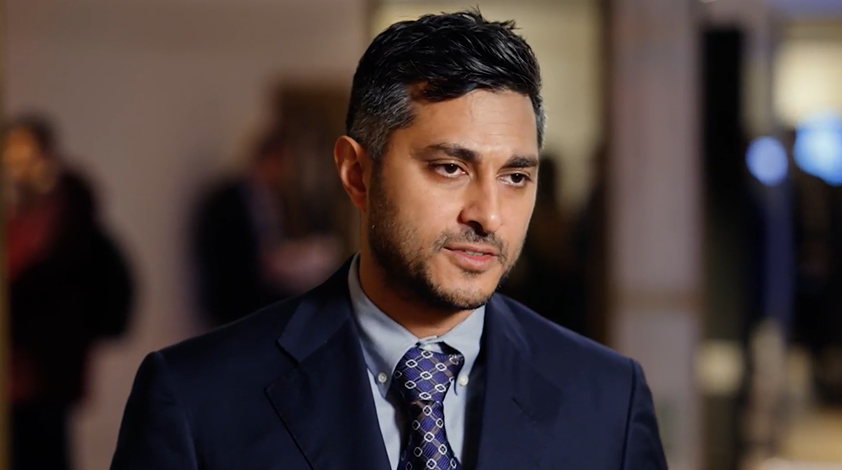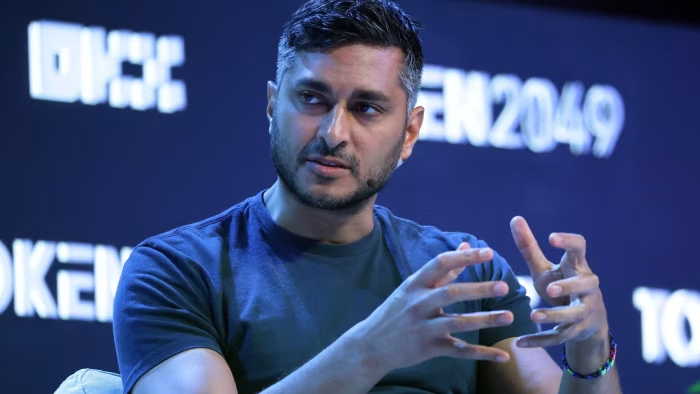
LONDON — Arjun Sethi, Co-CEO of Kraken and Chairman of Tribe Capital, says the United States is rapidly closing the gap on digital asset regulation, a move he believes will cement the country’s role as a leader in financial innovation. Speaking at the SALT London conference, Sethi noted that after a period of uncertainty, the U.S. is now providing the level of clarity needed to drive the next wave of fintech development. This shift, he suggested, positions the American market to serve as a primary hub for the global digital asset ecosystem.
A central theme of Sethi’s remarks was the importance of regulatory harmony. He cautioned that when different countries adopt vastly different rules, it leads to "liquidity fragmentation." This fragmentation can make it more difficult for investors to access a unified pool of capital and advanced financial tools.
Sethi compared the current state of digital assets to the early days of the internet, arguing that the industry needs standardized protocols to thrive. Without a synchronized global approach, he warned that some regions may see slower growth in their innovation economies over the coming decades. He highlighted stablecoins as a key success story, noting their ability to broaden participation in the financial system and provide a more efficient way to move value across borders.
He outlined a vision for Kraken that extends well beyond its origins as a cryptocurrency exchange. He described the firm’s business model as a sophisticated "infrastructure stack," functioning like a primary exchange layer integrated with the services of a professional brokerage.
The goal, Sethi explained, is to provide the "rails" for all forms of collateral. He predicted that within ten years, the technology behind these services will become invisible to the average user. Much like the internet today, the focus will shift from the underlying "blockchain" to the actual applications and benefits provided to consumers and institutions.

From breaking news to thought-provoking opinion pieces, our newsletter keeps you informed & engaged.