Rates failed. FX failed. But a booming stock market and a star trader nobody was talking about kept one of the world's most powerful macro funds from a very public embarrassment.
Brevan Howard did not build a $35 billion empire by betting on stocks. It built it by being smarter than everyone else in the room on rates and currencies by reading the Fed before the Fed read itself, by positioning in sovereign debt when others were still digesting the headlines. That is the Brevan Howard identity. That is what the name means.
Which makes the last eighteen months uncomfortable reading for the firm's true believers. Both the rates desk and the FX book lost money. Not by a little. Not in one bad quarter they can wave away. Across the full year, the two pillars of the Brevan Howard legend were a drag on performance and the fund turned a positive return anyway, saved by the one thing it was never supposed to need.
Equities.
"A macro fund being rescued by the stock market is not irony. It is a signal. The question is whether Brevan Howard is reading it or whether it already has."
FASH GOLCHIN AND THE QUIET POWER SHIFT
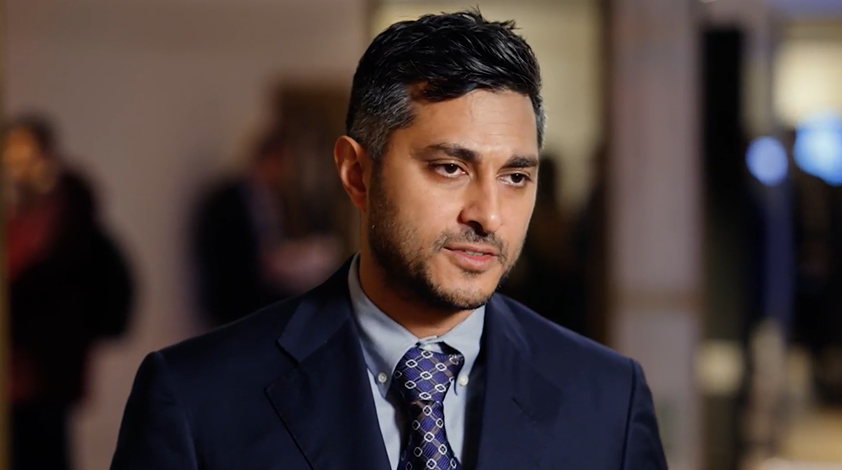
Brevan Howard has traded equities for more than two decades. It was never the headline act a quiet, competent operation running parallel to the macro giants who took up all the air in the room. But in recent quarters, that changed. The firm began bolstering its equity positions with intent, and one name kept surfacing in conversations about why it was working: Fash Golchin.
Golchin is not a household name outside the industry. Inside it, he is precisely the kind of trader a fund leans on when the world stops making sense in the usual ways disciplined, fast, and comfortable in markets that are moving on sentiment as much as fundamentals. With equities soaring on AI optimism, rate cut speculation, and sheer momentum, his desk became the fund's engine room.
Q1 2026 THE VERDICT IS IN
The first quarter of this year removed any remaining doubt. The fund posted losses of around 1% a number that would have been far worse without equities. The rates book recorded its steepest quarterly decline in at least five quarters. FX offered no relief. Stocks, once again, were the only column in the ledger pointing upward.
That is three data points now pointing in the same direction. Last year's annual return. Q1 2026. The consistent pattern of one desk carrying the others. At some point, a pattern stops being a coincidence and starts being a strategy.
The question Brevan Howard's investors will be asking is not whether the equities desk has earned its place. It clearly has.
The question is what happens to the fund's identity and its fee justification if the answer to every difficult macro environment turns out to be: let the stock pickers handle it.

From breaking news to thought-provoking opinion pieces, our newsletter keeps you informed & engaged.