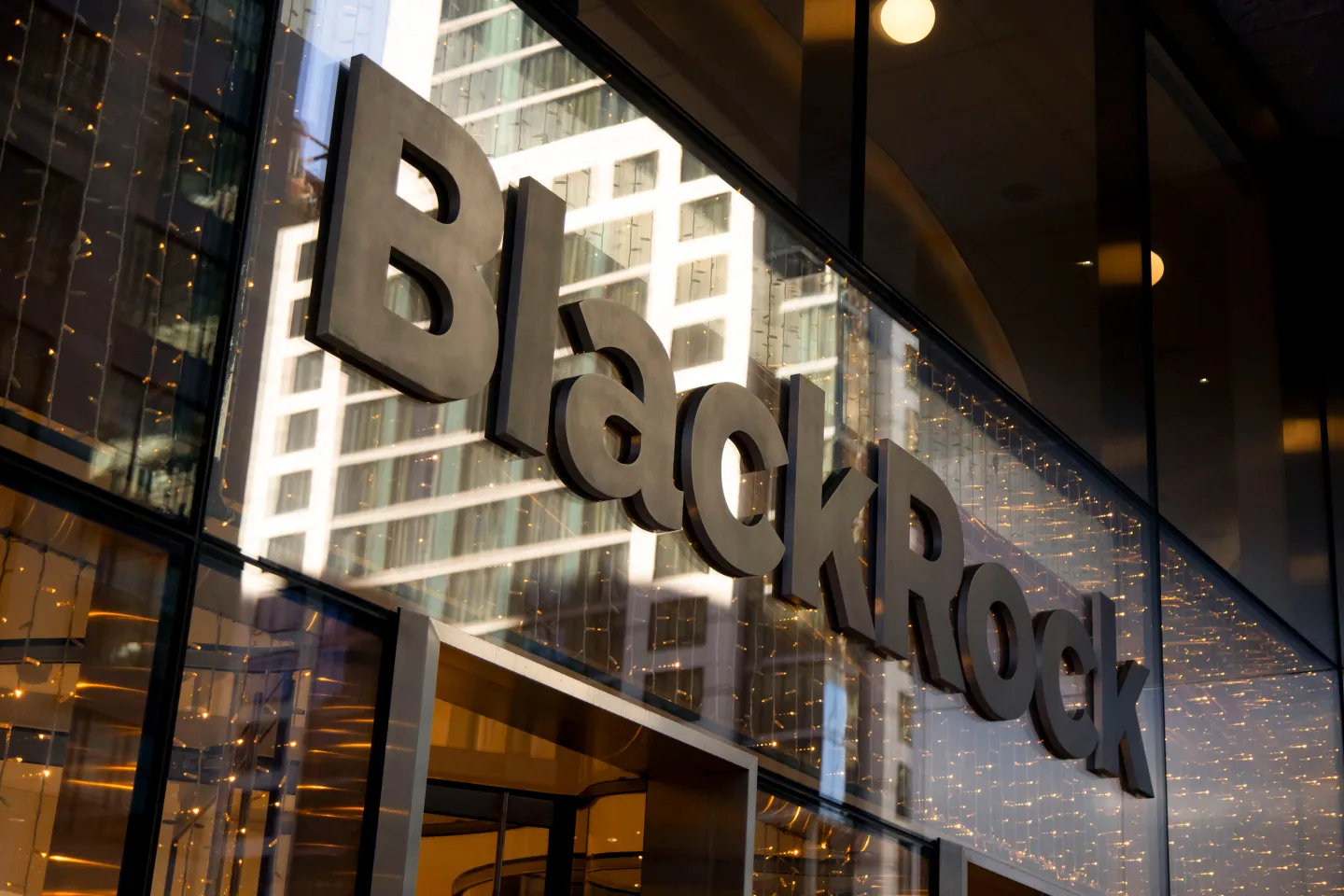
The infrastructure is real, the regulations are arriving, and BlackRock is already generating fee revenue from it. The window for watching is closing.
As of Q1 2026, tokenised real-world assets on public blockchains reached $29 billion up 263% year-on-year. Include stablecoins and the market exceeds $240 billion. In April, the IMF called it a structural reconfiguration of financial markets. Not an efficiency improvement. A reconfiguration. BCG and Standard Chartered project $16 trillion by 2030 nearly 10% of global GDP.
BUIDL BlackRock's tokenised money market fund crossed $2 billion in AUM and moved onto DeFi rails in February 2026, letting institutional investors trade fund shares via smart contracts without losing regulatory protections.
By April it was the largest single asset in the Solana RWA ecosystem. Digital assets generated $42 million in fees for BlackRock in Q1 alone. This is a revenue line now, not a research project.
"The lines between TradFi and DeFi are not blurring gradually. They are collapsing driven by the same institutions that spent a decade saying it would never happen."
In March 2026, the Fed, OCC, and FDIC jointly confirmed that tokenised securities carry the same capital treatment as traditional ones. The GENIUS Act and MiCA have provided frameworks across the US and EU. The compliance barrier that stalled institutional participation for years has materially shifted.
WHERE ALLOCATORS ARE MOVING
Private equity leads adoption. Equity tokenisation follows. Treasuries, private credit, and real estate are the asset classes moving on-chain first precisely because institutions already understand them. J.P. Morgan has issued tokenised asset-backed securities.
DAMAC launched a $1 billion real estate tokenisation project. The question for allocators in mid-2026 is no longer whether this is real. It is whether their custody, compliance, and operational infrastructure is ready.

From breaking news to thought-provoking opinion pieces, our newsletter keeps you informed & engaged.